How to Use Custom Survey Reports to Measure Business Improvement
Introduction
Organizations invest significant resources in collecting feedback from customers, employees, and stakeholders.
Surveys provide valuable information about satisfaction, engagement, service quality, and operational performance. However, collecting feedback alone does not demonstrate whether business improvements are actually working.
Many organizations implement new processes, introduce customer experience initiatives, or launch employee engagement programs without consistently measuring their long-term impact.
This is where Custom Survey Reports become especially valuable.
Rather than simply presenting survey scores or response rates, customized reports allow organizations to compare results over time, monitor improvement initiatives, and evaluate whether business objectives are being achieved.
By connecting survey findings to measurable outcomes, organizations gain a clearer understanding of what is improving, what still requires attention, and where future efforts should be focused.
Measuring Improvement Requires More Than Survey Scores
Survey scores provide useful snapshots of organizational performance.
For example, customer satisfaction may increase from one quarter to the next, or employee engagement may improve following a leadership initiative.
While these changes are encouraging, individual scores rarely explain whether meaningful business improvement has occurred.
Organizations also need to understand:
- which initiatives influenced the results
- which customer or employee groups improved
- whether changes are consistent across departments
- how performance compares over multiple reporting periods
Custom Survey Reports organize this information into meaningful business context instead of presenting isolated metrics.
This allows decision-makers to evaluate improvement based on evidence rather than assumptions.

Align Reports With Business Objectives
Every improvement initiative should begin with clearly defined business goals.
Some organizations focus on improving customer satisfaction.
Others prioritize employee engagement, service quality, operational efficiency, or product experience.
Customized reporting works best when survey findings are organized around these objectives rather than generic performance dashboards.
For example, if an organization launches a customer service improvement program, reporting should focus on metrics directly related to that initiative, such as response times, satisfaction scores, issue resolution, and customer loyalty trends.
When reports align with business objectives, leaders can more easily determine whether their investments are delivering measurable value.
Compare Performance Over Time
Business improvement is rarely measured through a single survey.
Organizations need reporting that allows them to compare performance across multiple survey periods.
Trend analysis helps answer important questions such as:
- Are customer satisfaction levels improving consistently?
- Has employee engagement increased after leadership changes?
- Which operational improvements have produced measurable results?
- Are recent initiatives delivering long-term impact?
Custom Survey Reports make these comparisons easier by presenting historical data in ways that highlight meaningful changes instead of isolated survey results.
Long-term reporting also helps organizations identify seasonal patterns, recurring challenges, and sustained improvements that may not be visible in individual surveys.
Measure Progress Across Different Audience Segments
Overall survey averages often hide important differences between audience groups.
Business improvements may affect one customer segment differently than another.
Similarly, employees in one department may experience significant improvements while others report little change.
Customized reporting allows organizations to evaluate progress across segments such as:
- customer groups
- geographic regions
- departments
- business units
- service channels
- product categories
This deeper analysis helps leaders understand where initiatives are succeeding and where additional improvements may still be required.
Rather than assuming organization-wide success, businesses gain a more accurate picture of performance across different audiences.
Early CTA
Business improvement should be measurable. Custom Survey Reports help organizations monitor progress, evaluate initiatives, and transform survey data into meaningful evidence that supports better business decisions.
Connect Survey Results With Business KPIs
Survey data becomes significantly more valuable when it is evaluated alongside broader business performance indicators.
While surveys measure perceptions and experiences, business KPIs demonstrate operational outcomes.
Organizations can use Custom Survey Reports to compare survey findings with metrics such as:
- customer retention
- employee turnover
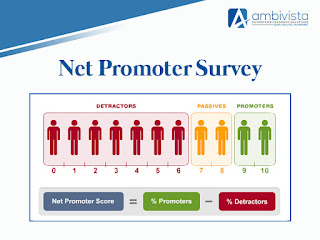
- Net Promoter Score (NPS)
- customer support resolution times
- sales performance
- service quality indicators
This combined view helps decision-makers understand whether improvements in survey responses are contributing to measurable business success.
Instead of reviewing feedback independently, leaders can evaluate how customer and employee perceptions align with organizational performance.
Share the Right Insights With the Right Stakeholders
Different stakeholders measure business improvement from different perspectives.
Executives typically focus on strategic objectives and long-term performance.
Department managers require operational insights that help guide daily decision-making.
Customer experience teams often monitor service quality and satisfaction trends, while HR leaders may focus on employee engagement and workplace initiatives.
A single generic report rarely provides the level of detail each audience requires.
Custom Survey Reports allow organizations to present the same survey data in different formats depending on stakeholder needs.
This ensures that every audience receives relevant insights without becoming overwhelmed by unnecessary information.
Tailored reporting also improves communication by helping teams quickly understand progress, priorities, and areas that require additional attention.
Use Reporting to Support Continuous Improvement
Business improvement should never be viewed as a one-time initiative.
Organizations that consistently improve performance treat feedback as an ongoing process rather than a periodic measurement exercise.
Customized reporting supports this approach by creating a continuous cycle of:
- collecting feedback
- analyzing results
- implementing improvements
- measuring outcomes
- refining future strategies
Each reporting period builds upon previous findings, allowing organizations to monitor long-term progress instead of focusing solely on individual survey results.
This continuous evaluation helps businesses respond more effectively to changing customer expectations, employee needs, and operational challenges.
Common Mistakes When Measuring Business Improvement
Many organizations struggle to measure improvement because they rely on reporting methods that provide limited context.
One common mistake is focusing only on overall satisfaction scores without examining the factors influencing those results.
Another challenge is comparing survey findings without establishing consistent benchmarks across reporting periods.
Some organizations also generate reports that contain excessive information, making it difficult for decision-makers to identify the insights that require action.
Others fail to segment survey data, causing meaningful trends within customer groups or departments to remain hidden.
Custom Survey Reports help overcome these challenges by presenting focused analysis that aligns with business priorities and decision-making requirements.
Technology Improves Reporting, but Interpretation Creates Value
Modern survey platforms provide powerful reporting capabilities through dashboards, automation, and data visualization.
These tools improve efficiency and allow organizations to monitor performance in real time.
However, reporting technology alone cannot determine whether business improvement has occurred.
Organizations still need thoughtful analysis that explains why results changed, what actions influenced those outcomes, and which improvements should be prioritized next.
The greatest value comes from combining reporting technology with business expertise and strategic interpretation.
When organizations understand the story behind their survey data, they are better equipped to make informed decisions that support sustainable growth.
Conclusion
Measuring business improvement requires more than reviewing survey scores.
Organizations need reporting that connects feedback with strategic objectives, tracks progress over time, and demonstrates the impact of improvement initiatives.
Custom Survey Reports provide that level of visibility by organizing survey findings into meaningful business insights that support evidence-based decision-making.
By comparing historical performance, analyzing audience segments, aligning reporting with organizational goals, and monitoring long-term outcomes, businesses can evaluate whether their initiatives are creating measurable value.
Organizations that use customized reporting as part of their ongoing feedback strategy are better positioned to drive continuous improvement and make smarter business decisions.
Frequently Asked Questions
What are Custom Survey Reports?
Custom Survey Reports are tailored reports that organize survey data around specific business objectives, stakeholder requirements, and performance metrics rather than using standard reporting templates.
How do Custom Survey Reports measure business improvement?
They compare survey results over time, monitor progress against business goals, analyze audience segments, and connect survey findings with measurable business outcomes.
Why are Custom Survey Reports better than standard reports?
Standard reports often focus on general metrics, while Custom Survey Reports provide business context, stakeholder-specific insights, trend analysis, and actionable recommendations.
What business metrics can be combined with survey reporting?
Organizations often combine survey results with customer retention, employee engagement, operational performance, service quality, response times, and other key performance indicators.
How often should organizations review Custom Survey Reports?
Review frequency depends on the feedback program, but many organizations analyze customized reports monthly, quarterly, or after major business initiatives to monitor continuous improvement.
Comments
Post a Comment