AI-Powered Market Research Tools: What Are Market Research Tools and Why Do They Matter?
In today’s highly competitive business environment, understanding customer behavior, market trends, and industry dynamics is essential for success. Organizations that make informed decisions based on accurate data are better positioned to identify opportunities, reduce risks, and outperform competitors. This is where market research comes into play.
Traditionally, market research involved lengthy surveys, focus groups, interviews, and manual data analysis. While these methods remain valuable, the rise of artificial intelligence (AI) has transformed the market research landscape. AI-powered market research tools are helping businesses gather, analyze, and interpret large volumes of data faster and more accurately than ever before.
This article explores what market research tools are, why they matter, and how AI-powered solutions are revolutionizing the way businesses understand their markets.
What Are Market Research Tools?
Market research tools are software platforms, applications, and methodologies designed to collect, organize, analyze, and interpret data related to customers, competitors, and market conditions. These tools provide businesses with valuable insights that support strategic decision-making.
Market research tools can be used to:
- Understand customer preferences and behaviors
- Identify market trends and emerging opportunities
- Analyze competitor strategies
- Measure brand awareness and customer satisfaction
- Evaluate product performance
- Forecast future market demand
Businesses of all sizes rely on market research tools to minimize uncertainty and make evidence-based decisions.

Types of Market Research Tools
Market research tools can be categorized into several key types:
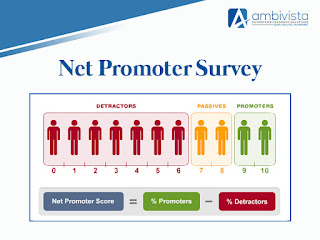
1. Survey and Feedback Tools
These tools help organizations gather direct feedback from customers through questionnaires and online surveys. They provide valuable insights into customer satisfaction, preferences, and purchasing behavior.
Common uses include:
- Customer satisfaction surveys
- Product feedback collection
- Brand perception analysis
- Employee engagement assessments
2. Social Media Monitoring Tools
Social listening tools monitor conversations across social media platforms, forums, and online communities. They help businesses understand public sentiment and identify emerging trends.
Benefits include:
- Tracking brand mentions
- Monitoring competitor activity
- Understanding customer opinions
- Identifying influencers
3. Competitive Intelligence Tools
These tools analyze competitor strategies, pricing, marketing activities, and market positioning. They provide valuable information that helps businesses refine their own strategies.
Organizations use them to:
- Benchmark performance
- Track market share
- Identify competitive threats
- Discover market gaps
4. Analytics and Data Visualization Tools
Analytics platforms transform raw data into actionable insights through dashboards, charts, and reports. These tools simplify complex data analysis and improve decision-making.
Features often include:
- Real-time reporting
- Trend analysis
- Predictive forecasting
- Custom dashboards
5. Customer Behavior Analysis Tools
These solutions track how customers interact with websites, applications, and products. They help businesses understand user journeys and optimize customer experiences.
Common metrics include:
- Website traffic
- Conversion rates
- User engagement
- Customer retention
Why Do Market Research Tools Matter?
Market research tools play a critical role in helping businesses remain competitive and customer-focused. Their importance extends across multiple areas of business strategy and operations.
Better Decision-Making
One of the primary benefits of market research tools is their ability to support informed decision-making. Rather than relying on assumptions or guesswork, organizations can use real data to guide their actions.
This reduces uncertainty and increases confidence when making strategic decisions related to:
- Product development
- Marketing campaigns
- Market expansion
- Pricing strategies
Understanding Customer Needs
Customer expectations constantly evolve. Businesses that fail to understand these changes risk losing market relevance.
Market research tools help organizations identify:
- Customer preferences
- Pain points
- Purchasing motivations
- Emerging needs
This understanding enables companies to create products and services that better meet customer expectations.
Identifying Market Opportunities
Market research helps businesses discover new opportunities before competitors do. By analyzing industry trends and consumer behavior, organizations can identify unmet needs and emerging market segments.
This allows them to:
- Launch innovative products
- Enter new markets
- Improve customer experiences
- Increase revenue potential
Reducing Business Risk
Every business decision carries some level of risk. Market research tools provide valuable data that helps organizations evaluate opportunities and potential challenges before investing significant resources.
Businesses can use market insights to:
- Test product concepts
- Assess market demand
- Evaluate customer interest
- Forecast sales performance
As a result, companies can reduce costly mistakes and improve overall business outcomes.
Strengthening Competitive Advantage
Understanding competitors is essential in today’s crowded marketplace. Market research tools provide visibility into competitor strategies, customer sentiment, and market positioning.
With this information, businesses can:
- Differentiate their offerings
- Improve marketing strategies
- Identify competitive weaknesses
- Strengthen brand positioning
The Rise of AI-Powered Market Research Tools
Artificial intelligence has significantly transformed market research processes. Traditional research methods often require substantial time, resources, and manual effort. AI-powered tools automate many of these tasks, delivering insights more quickly and efficiently.
AI technologies such as machine learning, natural language processing (NLP), predictive analytics, and data mining enable businesses to analyze vast datasets at unprecedented speed.
Faster Data Collection
AI-powered tools can gather information from multiple sources simultaneously, including:
- Social media platforms
- Customer reviews
- Online forums
- News articles
- Survey responses
- Website analytics
This allows organizations to monitor market developments in real time.
Advanced Sentiment Analysis
Natural language processing enables AI tools to understand customer emotions and opinions expressed in text.
Businesses can analyze:
- Customer reviews
- Social media conversations
- Support tickets
- Survey comments
This helps organizations understand public perception and identify potential issues before they escalate.
Predictive Analytics
AI-powered market research tools can identify patterns in historical data and predict future outcomes.
Predictive analytics supports:
- Demand forecasting
- Sales projections
- Customer churn prediction
- Trend identification
These insights help businesses make proactive rather than reactive decisions.
Improved Accuracy
Manual data analysis is often prone to human error. AI algorithms can process large datasets consistently and accurately, improving the reliability of research findings.
Organizations benefit from:
- Reduced bias
- More accurate forecasting
- Enhanced data quality
- Better strategic planning
Real-Time Insights
Traditional research projects may take weeks or months to complete. AI-powered solutions provide near real-time analysis, enabling businesses to respond quickly to changing market conditions.
This agility is particularly valuable in fast-moving industries where trends can change rapidly.
Key Features of AI-Powered Market Research Tools
Modern AI-driven market research platforms often include:
Automated Data Processing
AI can automatically clean, organize, and categorize data from multiple sources, reducing manual effort.
Trend Detection
Machine learning algorithms identify emerging trends and patterns that may not be immediately obvious through traditional analysis.
Consumer Segmentation
AI can group customers based on behaviors, preferences, demographics, and purchasing habits, enabling highly targeted marketing strategies.
Competitive Monitoring
Advanced tools continuously track competitor activities and market developments, helping businesses stay informed and responsive.
Predictive Forecasting
AI models can generate forecasts that help businesses anticipate future market conditions and customer demands.
Challenges and Considerations
While AI-powered market research tools offer numerous advantages, businesses should also consider potential challenges.
Data Privacy
Organizations must ensure compliance with privacy regulations and ethical data collection practices.
Data Quality
AI systems are only as effective as the data they analyze. Poor-quality data can lead to inaccurate insights.
Human Oversight
AI should complement human expertise rather than replace it. Strategic interpretation and decision-making still require human judgment.
Integration Requirements
Organizations may need to integrate AI research tools with existing business systems and workflows to maximize value.
The Future of Market Research
The future of market research will be increasingly driven by AI and automation. As technology continues to evolve, businesses can expect even more sophisticated capabilities, including:
- Hyper-personalized customer insights
- Advanced predictive modeling
- Automated reporting
- Real-time competitive intelligence
- Enhanced customer journey analysis
Companies that embrace AI-powered market research solutions will be better equipped to navigate changing market conditions and meet evolving customer expectations.
Conclusion
AI-powered market research tools are transforming how businesses gather information, understand customers, and make strategic decisions. By leveraging technologies such as machine learning, predictive analytics, natural language processing, and automated data analysis, organizations can uncover insights faster and more accurately than traditional research methods allow.
As markets become increasingly complex and data-driven, AI is no longer a luxury — it is becoming a necessity for businesses seeking a competitive advantage. Companies that invest in intelligent market research solutions can identify opportunities earlier, respond to customer needs more effectively, and make decisions with greater confidence.
Solutions such as Ambivista are helping businesses harness the power of AI-driven market intelligence by turning vast amounts of data into actionable insights. As organizations continue their digital transformation journeys, platforms like Ambivista can play a crucial role in enabling smarter research, stronger strategies, and sustainable business growth.
Frequently Asked Questions (FAQs)
1. What is an AI-powered market research tool?
An AI-powered market research tool uses artificial intelligence technologies such as machine learning, predictive analytics, and natural language processing to collect, analyze, and interpret market data automatically.
2. How is AI different from traditional market research?
Traditional market research often relies on manual data collection and analysis, while AI automates these processes, analyzes larger datasets, and provides faster, more predictive insights.
3. Can AI predict customer behavior?
Yes. AI can analyze historical data, purchasing patterns, and customer interactions to identify trends and forecast future behavior with a high degree of accuracy.
4. What industries benefit most from AI-powered market research?
Industries including retail, e-commerce, healthcare, finance, technology, manufacturing, education, and consumer goods can all benefit from AI-driven market insights.
5. Is AI market research suitable for small businesses?
Absolutely. Many AI-powered research platforms are scalable and help small businesses access insights that were previously available only to large enterprises.
6. Can AI analyze customer sentiment?
Yes. Through Natural Language Processing (NLP), AI can evaluate customer reviews, survey responses, social media conversations, and support interactions to determine sentiment and identify common themes.
7. What are the biggest advantages of AI-powered market research?
Key advantages include faster analysis, improved accuracy, real-time insights, predictive forecasting, cost savings, enhanced customer understanding, and better decision-making.
8. Does AI replace market researchers?
No. AI enhances research capabilities by automating data analysis, but human expertise remains essential for interpreting findings, understanding context, and making strategic business decisions.
9. What should businesses consider before adopting AI research tools?
Organizations should evaluate data quality, privacy compliance requirements, integration capabilities, scalability, and the specific business problems they want to solve.
10. Why is AI becoming essential for modern market research?
Because businesses must process increasingly large amounts of data and respond quickly to changing market conditions. AI enables organizations to generate actionable insights faster, more accurately, and at a greater scale than traditional methods.

Comments
Post a Comment