Ambivista, an online survey and research firm, offers industry-leading feedback technology and research consulting for market and business research.
Improving Customer Experience and Satisfaction for Sustainable Business Growth
Get link
Facebook
X
Pinterest
Email
Other Apps
In today’s competitive digital environment, customer experience (CX) has become one of the most important factors influencing business success. While pricing and product quality still matter, they are no longer enough to keep customers loyal. Modern consumers expect fast responses, personalized communication, and seamless interactions across every touchpoint.
Businesses that consistently deliver a strong customer experience build long-term relationships, improve retention, and create stronger brand loyalty. Companies that ignore customer expectations, however, risk losing customers to competitors who provide smoother and more satisfying experiences.
What Is Customer Experience?
Customer experience refers to the overall perception customers develop about a company based on every interaction they have with it. This includes marketing communications, website navigation, product usage, customer support, and post-purchase follow-ups.
Unlike a single support interaction, CX represents the entire customer journey. A positive experience makes customers feel valued and understood, which increases trust and encourages repeat business. On the other hand, negative experiences can quickly damage brand reputation and lead to customer churn.
Why Customer Experience Matters
A strong customer experience strategy provides several business benefits.
Customer Retention
Satisfied customers are more likely to remain loyal and continue purchasing from the same brand. Retaining existing customers is also significantly more cost-effective than acquiring new ones.
Stronger Brand Reputation
Positive experiences often lead to word-of-mouth recommendations, online reviews, and social media mentions that strengthen brand credibility.
Competitive Advantage
In industries where products and pricing are similar, customer experience becomes the key differentiator that helps businesses stand out.
Measuring Customer Satisfaction
To improve customer experience, businesses must first understand how customers feel about their interactions. One of the most effective tools for this is a customer satisfaction survey.
Common CX metrics include:
Customer Satisfaction Score (CSAT) — Measures immediate satisfaction after a specific interaction.
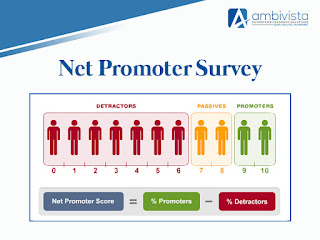
Net Promoter Score (NPS) — Evaluates how likely customers are to recommend a brand to others.
Customer Effort Score (CES) — Measures how easy it is for customers to complete a task or resolve an issue.
These metrics provide valuable insights into customer expectations and highlight areas that require improvement.
Using Surveys to Improve Experience
A well-designed customer satisfaction survey helps businesses gather actionable feedback directly from customers. Surveys should be short, relevant, and sent at the right moment in the customer journey.
Analyzing survey responses allows companies to identify recurring issues, improve processes, and deliver better service. When businesses actively respond to feedback, they demonstrate that customer opinions truly matter.
Conclusion
Customer experience and satisfaction play a critical role in long-term business growth. By measuring feedback through a customer satisfaction survey and acting on the insights, businesses can reduce friction, strengthen loyalty, and build stronger relationships with their customers. Organizations that continuously optimize their customer experience strategy are better positioned to achieve sustainable success.
While many small business owners believe that market research is best left to large corporations, this is not the case. Market research allows businesses of all sizes to better understand their target audience's needs and desires, allowing them to target their messaging more effectively to consumers looking for their products. There are numerous advantages to conducting a market research survey , including the ability to: Keep Up with The Latest Trends Market research allows small businesses to understand consumer preferences and forecast trends before they become popular. Staying ahead of the trends can help your small business gain a competitive advantage and position itself for long-term growth. Recognizing your customers' needs and interests can also help you determine whether jumping on board with a certain trend will truly benefit your business or if other strategies would be more effective. Know Your Competition One of the most significant advantages of market research i...
Are you in the midst of a difficult situation? Don't let it deter you from implementing 360-degree feedback. 360 feedback is an effective technique for acquiring a thorough insight into persons and their workplace dynamics since it allows for anonymous input from many views. The insight is only useful if it is delivered as part of a procedure that ensures the data is put to good use. It also necessitates “buy-in” from all stakeholders. In small, close-knit workplaces, anonymity is even more vital. You don't want employees to know what other employees have said about them in your instance. Feedback should be anonymous instead, and the manager who gives it should set standards for everyone in the organization. The goal is to ensure that all aspects of the process are clearly understood, as well as to provide a clear and agreed-upon procedure for reviewing comments. It's not a bad idea to remind staff of the advantages of employing 360 feedback procedures. The data rec...
When you run a medical practice, it's critical to develop a large base of loyal patients who will help you build a positive brand image. Thus, using customer satisfaction metrics such as NPS to quantify patient loyalty in health care is advantageous. For example, by gathering feedback from patients, you will be able to classify your customers as promoters, passives, or detractors. Knowing how many patients fall into each group will allow you to make decisions that will benefit your practice. Though you should consider improving the quality of your services if you have a high number of promoters, you should also discover ways to please the detractors. NPS in Health Care: Five Ways to Make It Work Use a short survey: Your patients are unlikely to have much time to complete a lengthy survey. With this in mind, make sure the Net promoter survey is short, basic, and easy to understand for all patients. Spread the word about the survey: you'll gain a deeper understanding of your pati...



Comments
Post a Comment